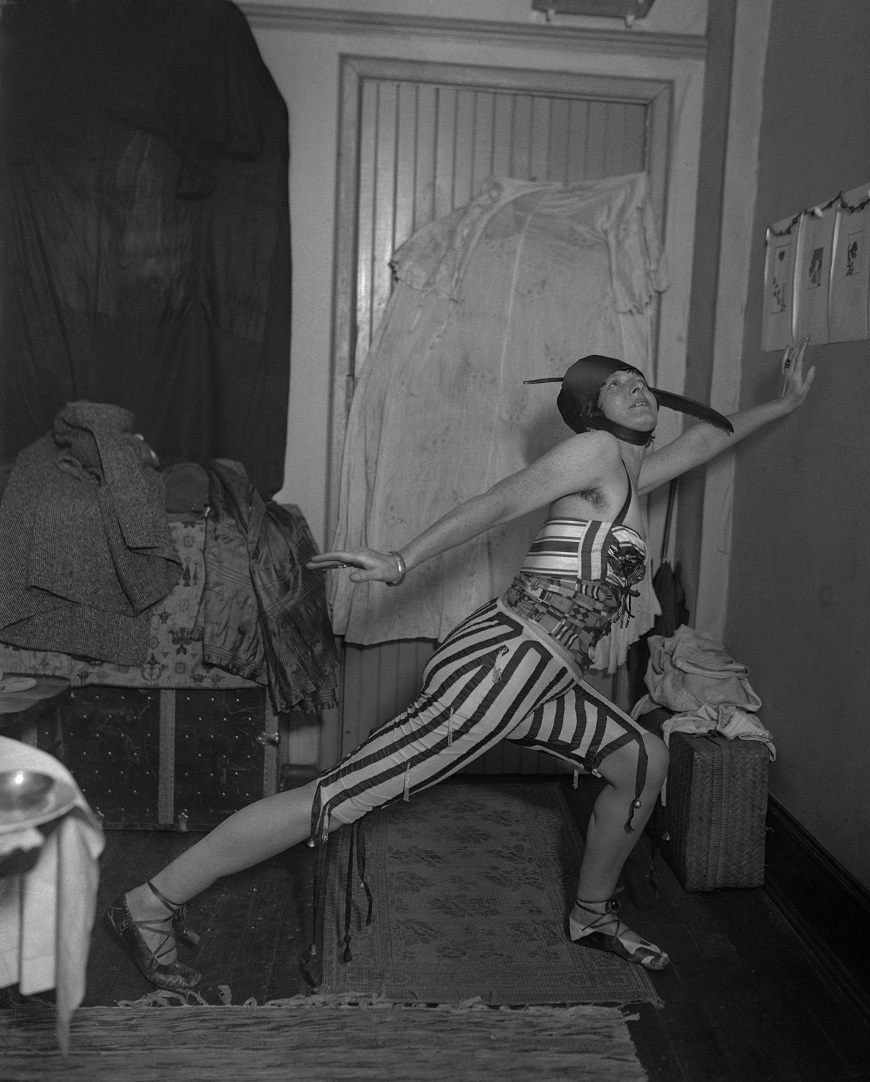
“New York was a good place for her. With the city as her stage, she became one of the 20th century’s first performance artists and a proto-Dada star. She demolished boundaries, between genders, between art and fashion, art and politics, public and private. She preached sensation, surprise. On the street, she wore a birdcage over her head and a tin-can bra. Indoors, she preferred loosefitting wraps that could be whipped off, leaving her nude. Taking lovers of various erotic persuasions, she was a pioneer of queer. She wrote language-crunching, censorship-challenging verse in a steady stream and, well before Marcel Duchamp, invented the readymade as art.”
Cut-up
“Terri C. Smith writes about two divergent connotations of the term cut-up: it implies both works of art made by extracting and reconfiguring source materials to produce something new as well as a mischievous prankster that disrupts order, promoting confusion by upsetting social hierarchies.”
O texto sempre vai aprender com a arte. A bricolagem, essa maneira de construir à base de reconstruções, de produzir cultura a partir da recombinação, explicou Mr. Strauss, é um procedimento que viabiliza a vida em grupo - naturalmente mimética -, em tempos e lugares diferentes.
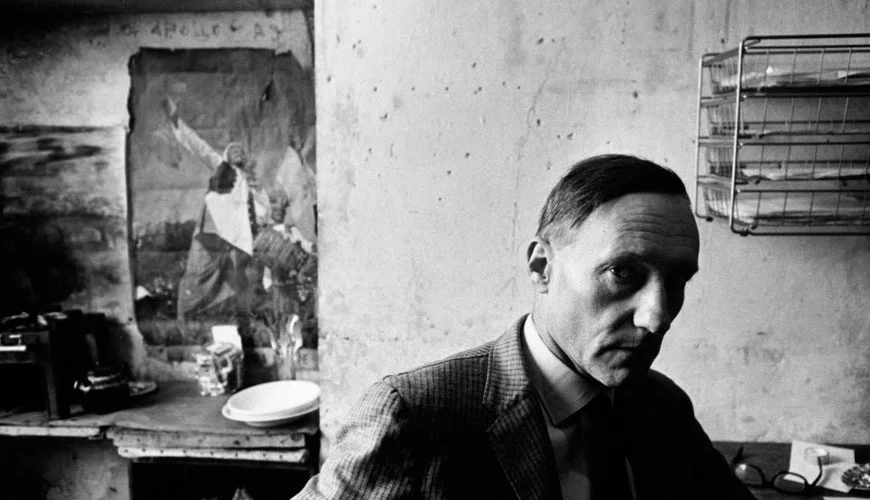
Burroughs ficou famoso por fazer do procedimento uma "técnica literária", mas, na prática, sabemos, os futuristas já tinham pescado palavras na publicidade, e Tzara, picotado jornal para escrever poemas.